What Are Industrial Projects in the Scaffold & Access Context?
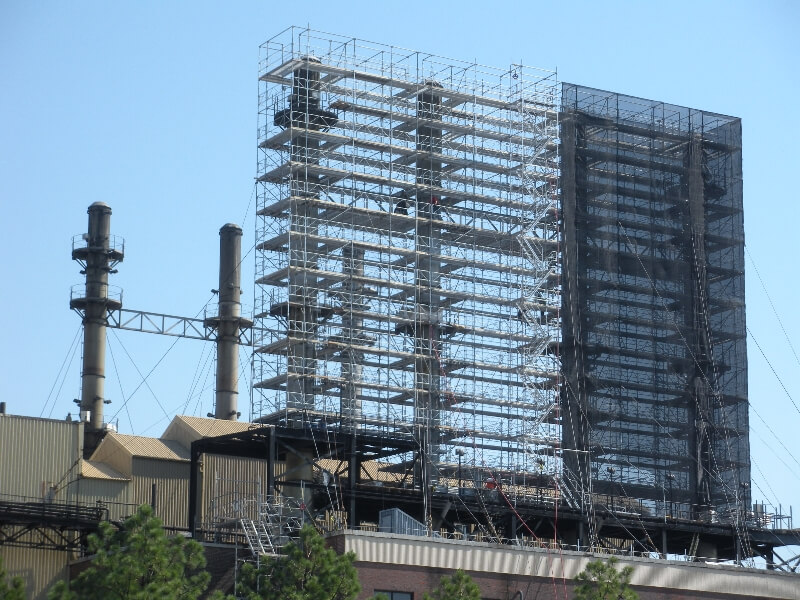
Definition: Industrial projects — in the scaffold and access context — encompass scaffold provision for process facilities, manufacturing plants, energy infrastructure, and heavy industrial sites across the facility's full lifecycle: new construction of greenfield industrial sites, ongoing maintenance scaffold for facilities in continuous operation, intensive scaffold mobilization for planned maintenance shutdowns and turnarounds, and equipment installation or replacement projects within existing industrial facilities. Industrial scaffold work is distinguished from commercial and residential scaffold by the scale and complexity of the structures being accessed — pipe racks running dozens of feet above grade, vessels and towers requiring full-perimeter access at multiple levels, structural steel requiring scaffold integrated with the steel erection sequence — and by the operational context of an industrial facility, where scaffold operations must frequently be coordinated with continuing plant operations, process safety management requirements, and the specific hazards of the industrial environment including hazardous materials, high temperatures, pressurized systems, and classified electrical areas.
The industrial scaffold market spans a wide range of facility types — refineries, chemical plants, power generation facilities, gas processing and LNG terminals, manufacturing plants, pulp and paper mills, food and beverage processing facilities, and water and wastewater treatment plants — each with sector-specific process equipment, hazard profiles, and regulatory requirements, but sharing the common characteristic of elevated process infrastructure that scaffold must access safely and efficiently. Industrial scaffold contractors typically maintain specialized inventory — heavy-duty systems scaffold rated for the loading and span requirements of industrial applications, shoring and needle beam capability for supporting process equipment during maintenance, and the engineering capacity to design scaffold integrated with the structural and process equipment configurations specific to industrial facilities.
Industrial scaffold demand follows a distinct pattern compared to commercial and residential work — a baseline of ongoing maintenance scaffold supporting the facility's continuous operational maintenance needs, punctuated by intensive, short-duration mobilizations during planned maintenance shutdowns and turnarounds when the facility's scaffold requirement can increase by an order of magnitude for a period of days to weeks. This demand pattern requires industrial scaffold contractors to maintain the surge capacity — equipment inventory and crew mobilization capability — to support a facility's peak shutdown demand while also serving the lower, steady-state maintenance scaffold requirement between shutdowns. Through Scaffold Exchange, you can find scaffold vendors near you with industrial project experience and compare their facility sector specialization, equipment capacity, and safety credentials.
How Scaffold Is Delivered on Industrial Projects
Industrial scaffold delivery varies significantly between ongoing maintenance support and shutdown mobilization, but both follow a sequence shaped by the facility's operational status and process safety requirements.
Facility Access & Process Safety Onboarding
Before mobilizing on an industrial site, the scaffold contractor's crew completes the facility's site-specific safety orientation and process safety onboarding — covering the facility's hazard communication, permit-to-work system, hot work and confined space procedures, and any process safety management requirements that govern work near operating equipment. This onboarding is a prerequisite for site access at virtually every industrial facility and must be completed for every crew member before they enter the operating plant.
Scope Definition & Permit Coordination
The scaffold scope is defined in coordination with the facility's maintenance planning or capital projects team — identifying the specific pipe racks, vessels, structural elements, or equipment requiring access, the load classification needed for the work to be performed from the scaffold, and any area classification requirements (hazardous location ratings) that affect the equipment and materials used in the scaffold. Permit-to-work authorization is obtained for the specific work location before erection begins, in accordance with the facility's permit system.
Erection Coordinated with Operations or Shutdown Schedule
For ongoing maintenance scaffold, erection is scheduled around the facility's continued operation — coordinating with process operations to confirm the work area is safe to access, managing exclusion zones around the scaffold relative to operating equipment, and maintaining communication with the facility's control room throughout the scaffold's active period. For shutdown and turnaround scaffold, erection follows the intensive shutdown schedule, often with multiple scaffold crews working simultaneously across the facility within a compressed mobilization window.
Dismantling & Facility Handback
At completion, scaffold is dismantled and the work area is returned to the facility in operational condition — confirming no scaffold components, debris, or temporary materials remain that could interfere with process operations when the equipment is returned to service. On shutdown projects, scaffold dismantling is sequenced as part of the overall shutdown completion and plant restart schedule, with scaffold removal from critical path equipment often required before the unit can be returned to service.
Key Scaffold Considerations for Industrial Projects
Industrial facilities bring a distinct set of access, safety, and operational demands that distinguish industrial scaffold delivery from commercial and residential work.
Heavy-Duty Industrial Scaffold
Industrial scaffold applications frequently require heavy-duty systems scaffold, needle beams for hanging scaffold, shoring towers for equipment support, and scaffold designed for the specific load and span requirements of pipe racks, vessels, and structural steel access — beyond the standard light and medium duty scaffold typical of commercial and residential work.
Process Safety Management Integration
Scaffold work on facilities subject to OSHA Process Safety Management (29 CFR 1910.119) or EPA Risk Management Program requirements must be coordinated with the facility's process hazard analysis, permit-to-work system, and management of change procedures — scaffold erected near covered process equipment is itself subject to the facility's process safety management framework, not just the standard OSHA scaffold requirements.
Hazardous Area Classification
Scaffold, lighting, electrical equipment, and tools used in classified hazardous areas — where flammable gases, vapors, or combustible dust may be present — must be rated for the specific area classification (Class I Division 1 or 2, or equivalent Zone classifications) at the work location. Industrial scaffold contractors must understand and confirm the area classification of each work location before bringing equipment into the area.
Coordination with Continued Operations
Much industrial scaffold work occurs while the surrounding facility continues to operate — requiring exclusion zones around the scaffold relative to operating equipment, coordination with process operations on equipment status and isolation, and close communication with the facility's control room to ensure that scaffold operations do not create a hazard for the operating process or vice versa.
Shutdown Surge Capacity
Industrial scaffold demand spikes dramatically during planned maintenance shutdowns and turnarounds, requiring contractors to mobilize large crews and substantial equipment inventory within a compressed timeframe. Facilities planning shutdown work should engage their scaffold contractor well in advance to confirm surge capacity availability, since shutdown-season demand across an industrial region can exceed the combined capacity of local scaffold contractors if not planned for in advance.
Hazardous Material & Insulation Coordination
Industrial scaffold work frequently coordinates with insulation, heat tracing, lead and asbestos abatement, and painting and coating trades who work from the same scaffold structures — requiring platform configurations, load classifications, and erection sequencing that serve the combined access needs of multiple trades working in sequence or simultaneously on the same industrial scaffold installation.
Common Industrial Facility Types & Project Scenarios Using Scaffold
Scaffold supports the full lifecycle of industrial facility operations — from new construction through ongoing maintenance and intensive shutdown work — across the diverse range of process industry sectors.
Refinery and chemical plant maintenance — ongoing and shutdown scaffold for process piping, vessels, and structural access on petrochemical facilities
Power generation facility scaffold — boiler, turbine, and structural access for new construction and planned outage maintenance at power plants
Manufacturing plant maintenance and construction — scaffold supporting equipment installation, structural work, and ongoing facility maintenance in manufacturing operations
Gas processing and LNG facility construction and maintenance — specialized scaffold for cryogenic process equipment and high-pressure gas infrastructure
Water and wastewater treatment plant construction and maintenance — scaffold for tank, basin, and structural access at municipal and industrial treatment facilities
Pulp, paper, and heavy manufacturing maintenance — industrial scaffold for large structural and equipment access in heavy manufacturing environments
Food and beverage processing facility maintenance — hygienic scaffold practices and sanitary scaffold configurations for process equipment access in food production facilities
Mining and mineral processing facility scaffold — structural and equipment access scaffold for processing plants, conveyor systems, and mineral handling infrastructure
Industrial Projects vs. Other Project Categories on Scaffold Exchange
Industrial projects are one of several project type categories that shape the scaffold scope and contractor requirements — here is how industrial projects compare to the related categories, including the specific facility-sector and shutdown-related industries within this broader category.
Process facility & heavy industrial scaffold
- Heavy-duty scaffold, process safety integration, and hazardous area classification demands
- Spans the full facility lifecycle — new build, maintenance, and shutdown work
- Distinct demand pattern — steady-state maintenance plus shutdown demand spikes
- Sector-specific facility types each have their own dedicated industry page
Planned maintenance shutdown scaffold
- The intensive, short-duration shutdown scaffold work pattern within industrial projects
- Requires the surge capacity and compressed-schedule delivery distinct from steady-state maintenance
- See the Outages Projects and Turnarounds Projects industry pages for shutdown-specific detail
Sector-specific industrial facility types
- Each major process industry sector has dedicated facility-type considerations
- Industrial projects is the umbrella category; sector pages provide facility-specific detail
- See the dedicated Power Plants, Gas Plants, LNG Plants, and Refineries industry pages
Large-scale, multi-year planned construction
- New industrial facility construction overlaps with the capital projects category at scale
- Industrial capital projects combine both categories' procurement and delivery demands
- See the Capital Projects industry page for the large-scale delivery model
Find Industrial Project Scaffold Vendors Near You
Use the Scaffold Exchange map to search by location, filter by project type, and connect directly with local scaffold contractors who have industrial facility experience, process safety training, and the equipment capacity to support your facility's maintenance and construction needs.
Compliance & Site Safety Considerations
Scaffold on industrial projects is governed by OSHA 29 CFR 1926 Subpart L for the scaffold structure itself, alongside the additional regulatory frameworks that govern industrial process facilities. Facilities subject to OSHA's Process Safety Management standard (29 CFR 1910.119) — covering processes involving specified quantities of highly hazardous chemicals — must integrate scaffold work near covered process equipment with their process hazard analysis, permit-to-work system, and management of change procedures. Scaffold erected in classified hazardous locations must use equipment and electrical components rated for the specific area classification per NFPA 70 (National Electrical Code) Articles 500-516. Industrial scaffold crews frequently encounter confined space entry requirements under OSHA 1926.1209 when accessing vessels, tanks, or enclosed structural spaces, and lockout/tagout requirements under OSHA 1926.417 when scaffold work requires isolation of equipment that would otherwise present an energy hazard. Hot work permit systems govern any scaffold erection or maintenance activity that generates sparks or open flame near flammable process materials. Multi-employer worksite considerations are particularly significant on industrial sites, where the facility operator (host employer), the general contractor managing the shutdown or project, and the scaffold subcontractor all have defined and overlapping OSHA compliance roles that must be clearly documented in the site's safety management system.
- Site-specific process safety and hazard communication orientation completed by all scaffold crew members before facility access
- Permit-to-work authorization obtained for the specific scaffold work location before erection begins, per the facility's permit system
- Process Safety Management coordination confirmed where scaffold work occurs near PSM-covered process equipment per OSHA 1910.119
- Hazardous area classification confirmed for the work location — equipment and electrical components rated for the specific classification used
- Confined space entry procedures followed per OSHA 1926.1209 where scaffold work requires entry into vessels, tanks, or enclosed structural spaces
- Lockout/tagout procedures applied per OSHA 1926.417 where scaffold work requires isolation of equipment presenting an energy hazard
- Hot work permits obtained where scaffold erection or maintenance activities generate sparks or flame near flammable process materials
- Multi-employer compliance roles between the facility operator, general contractor, and scaffold subcontractor documented and understood by all parties
1926 Subpart L
& 1910.119
Scaffolds & Process Safety Management
OSHA Interpretations & Rulings →