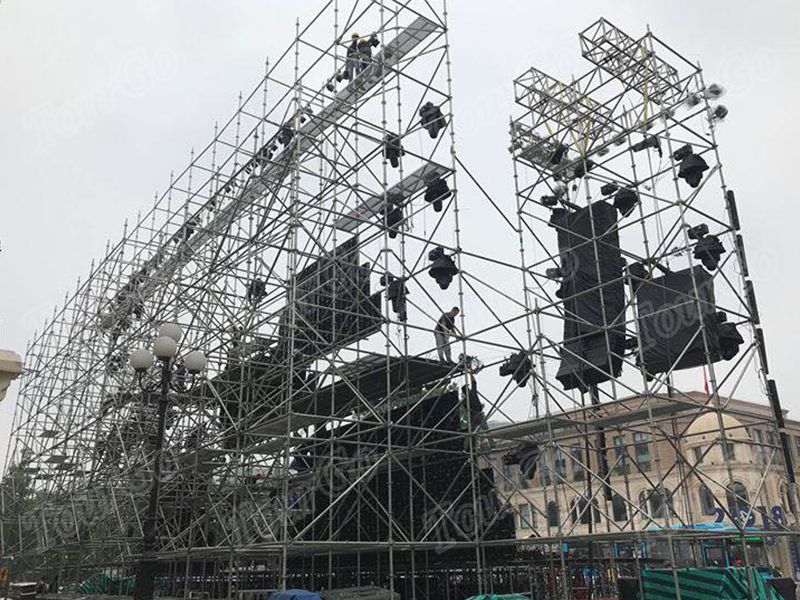
What Are Concert Projects in the Scaffold & Access Context?
Definition: Concert projects — in the scaffold and access context — encompass scaffold provision for live music events, festivals, and concert productions, including stage scaffold and roof support structures, ground support and truss tower systems for lighting and audio rigging, video screen and LED wall support structures, front-of-house (FOH) mixing tower platforms, and the barricade and access control scaffold used for crowd management at concert and festival sites. Concert scaffold work is fundamentally an events industry application — the structures are erected for a single performance or a short festival run measured in days, fully dismantled afterward, and frequently re-erected at a different venue for the next event in a touring or festival circuit, a build-strike-rebuild cycle that has no equivalent in construction or industrial scaffold work, where structures typically remain in place for weeks, months, or years. The compressed timeline of concert production — often building a complete stage and rigging structure in a matter of hours or one to two days before doors open, and striking the entire structure within hours after the show ends — drives a scaffold delivery model oriented around speed, standardized modular components, and crews experienced specifically in the rapid build-and-strike cadence of touring and festival production, distinct from the more methodically sequenced erection process typical of construction scaffold. Concert scaffold structures also carry unique loading considerations specific to the production: distributed lighting and audio rigging loads from truss systems hung from or supported by the scaffold structure, dynamic wind loading on large stage roof structures and video screens that present significant surface area to weather, and the crowd safety implications of barricade and structural systems positioned directly among large public audiences.
The events industry scaffold sector includes specialist event rigging and staging companies whose core business is built around this rapid-deployment model — maintaining purpose-built modular staging and rigging systems, certified rigging crews, and the structural engineering capability specific to temporary event structure design, which differs in important ways from standard construction scaffold structural verification given the dynamic loads, public crowd proximity, and frequently outdoor weather-exposed conditions concert structures must be designed for. Through Scaffold Exchange, you can find scaffold and staging vendors near you with concert and event production experience and compare their rigging capabilities, structural engineering support, and touring or festival production track record.
How Scaffold Is Delivered for Concert Projects
Concert scaffold delivery follows a compressed build-show-strike cycle distinct from construction scaffold's typically longer erection, use, and dismantling sequence.
Production Design & Engineering Review
The scaffold and staging scope is defined by the production's stage design, rigging plot, and site plan — specifying the stage roof and support structure, truss tower locations and load requirements, video and audio support structures, and barricade layout. For significant structures — particularly stage roofs and ground support systems carrying substantial rigging loads — structural engineering review confirms the design is adequate for the anticipated loads, including wind loading specific to the structure's exposure at the event site.
Rapid Build & Rigging Installation
The scaffold and staging structure is erected on a compressed schedule — frequently within hours to one or two days for a single concert event, or somewhat longer for a multi-stage festival site — by crews experienced in the standardized modular systems and rapid assembly sequences specific to event production. Rigging crews install the truss and load-bearing rigging systems as the scaffold and ground support structure is completed, with load testing and structural sign-off completed before the production's technical rehearsal and performance.
Show Period Monitoring & Weather Response
Throughout the event period, the structure is monitored for weather conditions — particularly wind speed, since stage roofs and large rigging structures present significant wind-exposed surface area — with predetermined weather action thresholds and response procedures, including potential show delay, evacuation, or structural securing measures if wind or weather conditions approach the structure's design limits. Crowd barricade and access control scaffold is maintained and monitored throughout the public event period.
Rapid Strike & Site Restoration
Following the final performance, the structure is dismantled — "struck" in industry terminology — typically beginning immediately after the audience departs and completing within hours to a day depending on the structure's scale, with equipment loaded for transport to the next tour or festival date or returned to the staging company's inventory. The event site is restored to its pre-event condition, particularly important at venues or public spaces used for multiple events or returning to non-event use.
Key Scaffold Considerations for Concert Projects
Concert and event scaffold work brings a distinct combination of speed, dynamic loading, weather exposure, and public crowd safety demands that distinguish it from construction and industrial scaffold applications.
Rapid Build-Strike Cycle
Concert scaffold and staging structures are typically erected and struck within a matter of hours to a few days, an order of magnitude faster than construction scaffold erection timelines, requiring crews experienced specifically in the standardized modular systems and rapid assembly sequences that make this speed achievable without compromising structural integrity or safety verification.
Truss & Rigging Load Integration
Concert scaffold and ground support structures frequently carry significant distributed loads from audio and lighting truss systems, video screens, and other production elements rigged from or supported by the scaffold structure — requiring the scaffold's structural design to account for these production loads in addition to the standard worker and material loads that govern construction scaffold design.
Outdoor Wind Loading & Weather Response
Outdoor stage roofs, video screens, and large rigging structures present significant surface area to wind, requiring structural design for the anticipated wind loads at the specific event site and a predetermined weather monitoring and response protocol — including action thresholds for show delay, structure securing, or evacuation — that construction scaffold rarely requires given its typically longer-duration, less acutely weather-monitored deployment.
Public Crowd Proximity & Barricade Systems
Concert scaffold and barricade structures are positioned directly among large public audiences, requiring structural and barricade design specifically intended to manage crowd safety — including crowd surge loads on barricade systems, structural separation from the audience for FOH towers and other access-restricted structures, and clear emergency egress routes through and around the scaffold and staging footprint.
Touring & Multi-Venue Reuse
Touring concert productions re-erect the same or similar scaffold and staging structures at multiple venues over a tour's duration, requiring modular, rapidly reconfigurable systems and crews who travel with the production or are sourced locally at each tour stop, distinct from the single-site deployment model typical of construction scaffold.
Venue & Local Permit Coordination
Concert scaffold and staging structures, particularly at outdoor festival sites and public venues, frequently require local building or fire department permit review, structural engineering sign-off, and venue-specific safety inspection before the event can proceed — adding a permitting and approval timeline that touring and festival production schedules must plan for at each venue or event location.
Common Concert Project Scenarios Using Scaffold
Scaffold and staging structures support live music and event production across the range of venue types and production scales the concert and festival industry encompasses.
Touring concert stage and rigging structures — modular stage roof, truss tower, and ground support systems erected and struck at each tour venue
Multi-day music festival production — multiple stage structures, FOH towers, video support, and crowd barricade systems across a festival site
Stadium and arena concert production — scaffold and rigging integration with permanent venue structures for large-scale stadium tour productions
Outdoor amphitheater and park concert staging — temporary stage and rigging structures for outdoor venue concerts and public park events
Video screen and LED wall support structures — dedicated scaffold and ground support systems for large-format video display production elements
Front-of-house (FOH) mixing platform towers — elevated audio and lighting control platforms positioned within the audience area
Crowd barricade and access control systems — barrier scaffold for audience crowd management and restricted-access zone separation
Award show and televised event production — broadcast-integrated staging and rigging for televised concert and award ceremony productions
Concerts vs. Other Project Categories on Scaffold Exchange
Concert and event scaffold work is a distinct delivery model centered on speed, dynamic loads, and public crowd safety — here is how it compares to the related categories.
Live event production scaffold & staging
- Rapid build-strike cycle measured in hours to days, not weeks or months
- Production rigging loads, outdoor wind exposure, and public crowd safety drive design
- Touring and festival reuse model distinct from single-site construction deployment
- Specialist event rigging and staging companies, not general scaffold contractors
Business-occupied real estate
- Stadium and venue facility construction or renovation shares scope with commercial projects
- The ongoing venue structure differs from the temporary event-specific scaffold this page covers
- See the Commercial Projects industry page for venue facility construction and renovation
Public sector procurement & compliance
- Concerts in public parks or municipal venues may involve government permit and procurement coordination
- See the State and Government Projects industry page for public sector compliance requirements
Public protection structures
- Shares the public crowd proximity and falling object protection considerations
- Sidewalk sheds protect pedestrians from construction; concert barricades manage active crowds
- See the equipment library's public protection resource pages for the related structural products
Find Concert & Event Scaffold Vendors Near You
Use the Scaffold Exchange map to search by location, filter by project type, and connect directly with local scaffold and staging vendors who have concert and event production experience, rigging capability, and touring or festival production track records.
Compliance & Site Safety Considerations
Scaffold and staging structures for concert and event production are subject to OSHA 29 CFR 1926 Subpart L scaffold requirements for the workers who erect, use, and strike the structure, alongside event-specific structural and public safety standards that govern the production elements beyond standard construction scaffold scope. ANSI E1.21 (Temporary Ground-Supported Overhead Structures Used to Cover Stage Areas) and ANSI E1.2 (Design, Manufacture, and Use of Aluminum Trusses and Towers) provide the entertainment industry's structural design and use standards for stage roofs, truss systems, and ground support structures, developed specifically to address the dynamic loading, wind exposure, and rigging load considerations unique to event production structures. Many state and local jurisdictions require structural engineering review and permit approval for temporary event structures above a defined size or audience capacity threshold, administered through the local building or fire department, with the specific requirements varying significantly by jurisdiction and venue type. Crowd management and barricade design for public events should follow recognized crowd safety guidance addressing barricade strength for anticipated crowd loads, structural separation distances, and emergency egress provisions. The 2011 Indiana State Fair stage collapse and similar historical incidents have driven increased regulatory and industry attention to wind load design and weather monitoring protocols for temporary outdoor event structures, with many jurisdictions and industry bodies now requiring documented weather action plans as a condition of event permit approval.
- OSHA 1926 Subpart L scaffold requirements maintained for workers erecting, using, and striking event scaffold and staging structures
- Structural design of stage roofs, truss towers, and ground support systems confirmed per ANSI E1.21 and ANSI E1.2 entertainment industry standards
- Wind load design confirmed for the specific event site's exposure and the structure's anticipated duration of deployment
- Documented weather monitoring and action plan in place — predetermined wind speed thresholds for show delay, structure securing, or evacuation
- Local building or fire department permit and structural review obtained where required for the structure's size or audience capacity
- Crowd barricade systems designed for anticipated crowd loads with appropriate structural separation and emergency egress provisions
- Rigging loads — truss, video, and audio system loads — confirmed within the scaffold and ground support structure's rated capacity before production loads are hung
- Crew experienced in event-specific rapid build-strike methods and the entertainment industry structural standards engaged for event scaffold and staging work
& ANSI E1.21
Scaffold Safety & Entertainment Industry Structural Standards
OSHA Interpretations & Rulings →