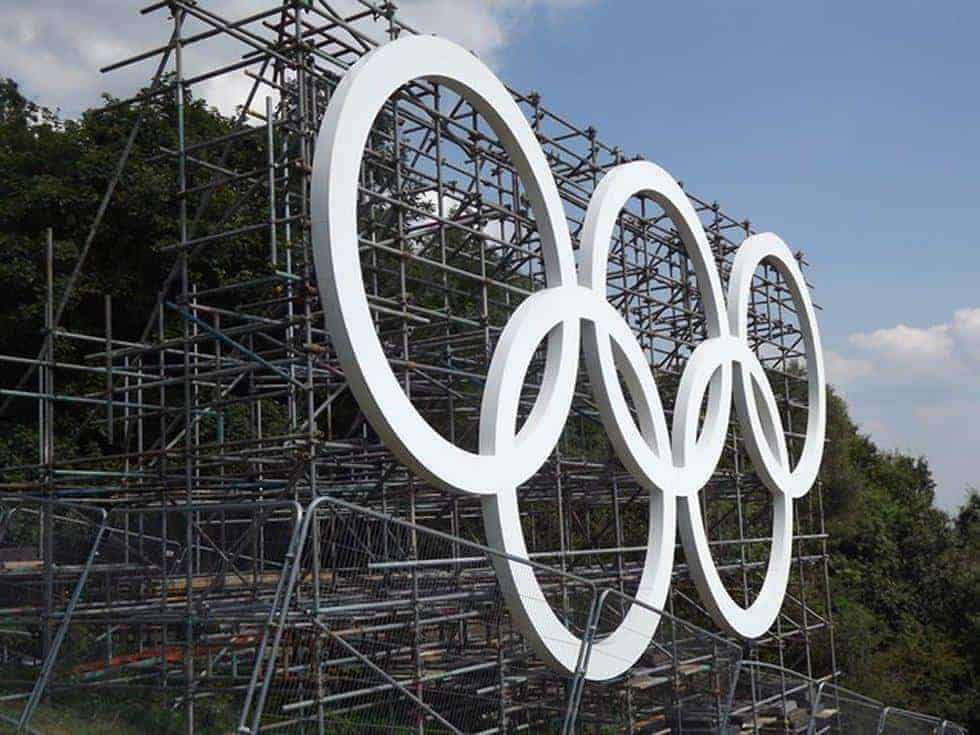
What Are Olympic Projects in the Scaffold & Access Context?
Definition: Olympic projects — in the scaffold and access context — encompass scaffold provision for the Summer and Winter Olympic Games and Paralympic Games, including the construction of new permanent competition venues funded as capital projects by the host city and organizing committee, the temporary overlay infrastructure that transforms existing permanent venues into Olympic-standard competition facilities for the duration of the Games, and the temporary spectator seating, broadcast towers, media center structures, and athlete support facilities that make the Olympic venue program functional across the dozens of competition and non-competition sites spread across the host city and region. Olympic scaffold work spans the full spectrum of the scaffold sector — construction-phase scaffold on capital projects, events-sector temporary overlay structures, industrial-scale broadcast and media infrastructure, and rapid build-and-strike operations for ceremonial and temporary facilities — applied simultaneously at a scale and under a delivery pressure that is unique in the global construction and events industries.
The Olympic Games' fixed, immovable opening ceremony date — determined years in advance by the International Olympic Committee — creates a delivery pressure unlike anything else in construction or events production. Every scaffold and temporary structure contractor engaged across the Olympic program must deliver their scope by a specific date that cannot be moved, regardless of weather, supply chain disruptions, labor shortages, or construction delays on dependent scopes — and the global public visibility and broadcast reach of the Games means that any venue not ready for competition is immediately visible to a worldwide audience. This combination of non-negotiable deadline and global visibility drives the scale, planning rigor, and contractor qualification standards that Olympic organizing committees apply to every supplier engagement across the Games program.
Olympic scaffold contracts are typically awarded through the host city's organizing committee (OCOG) procurement framework, which incorporates IOC requirements alongside the host country's public procurement regulations — producing a procurement process that is typically more rigorous, more extensively documented, and more heavily weighted toward demonstrated large-event experience than any other event or construction procurement process. Scaffold and temporary structure contractors pursuing Olympic work must typically demonstrate prior Games or equivalent large-event experience, hold relevant certifications, maintain the fleet and crew scale sufficient for simultaneous multi-venue delivery, and accept the detailed performance monitoring and compliance reporting that Olympic organizing committees apply across their contractor supply chain. Through Scaffold Exchange, you can find scaffold vendors near you with major games and large-scale event experience and compare their credentials and delivery capability.
How Scaffold Is Delivered Across an Olympic Program
Olympic scaffold delivery operates across multiple concurrent workstreams — construction-phase capital projects, venue overlay preparation, and Games-time operations — each following its own timeline within the overall Olympic delivery program.
Multi-Year Construction Phase
In the years before the Games, scaffold supports the construction of new permanent venues — aquatic centers, stadiums, velodrome and track cycling facilities, and other purpose-built infrastructure — following the capital projects delivery model with the additional pressure of fixed completion dates that must be met to allow venue testing and certification before Games-time operations begin. Construction-phase scaffold is typically delivered through the venue's general contractor or construction management framework, not directly by the OCOG.
Venue Overlay Program
In the months before the Games, the overlay program transforms permanent venues — existing stadiums, arenas, and purpose-built venues completing construction — into IOC-specification Olympic competition facilities by installing temporary seating supplements, broadcast camera platforms, media centers, athlete warm-up areas, accreditation and access control structures, and the dozens of temporary operational elements that a venue requires for Games use beyond its normal operational configuration.
Games-Time Operations & Venue Management
Throughout the Olympic and Paralympic competition period, scaffold and temporary structures across all venues remain in active, often broadcast-facing use — requiring structural inspection, maintenance, and responsive modification capability maintained across the full multi-venue program for the duration of the Games. Any structural issue at a competition venue during the Games that affects competition or broadcast operations carries immediate worldwide visibility.
Overlay Decommissioning & Legacy Transition
Following the Games' conclusion, temporary overlay structures are dismantled and removed across all venues — a significant and compressed decommissioning program that must be completed before venues transition to their post-Games legacy use or hosting of subsequent events. The decommissioning timeline is frequently constrained by post-Games venue booking commitments that leave limited windows for overlay removal.
Key Scaffold Considerations for Olympic Projects
Olympic scaffold delivery operates under a combination of scale, deadline, regulatory, and visibility pressures that collectively distinguish it from any other project category.
Non-Negotiable Opening Ceremony Deadline
Every scaffold and temporary structure across the Olympic program must be complete and certified for use before the opening ceremony — a fixed date determined years in advance by the IOC that cannot be moved for any construction or delivery reason. This non-negotiable deadline elevates schedule risk management to the defining challenge of Olympic scaffold delivery, requiring contingency plans and alternative resourcing strategies far more developed than standard project schedule management.
Multi-Venue, Multi-Sport Simultaneous Delivery
A Summer Olympics program typically spans 30 or more sports across dozens of competition venues spread across a host city and region — requiring scaffold and temporary structure delivery simultaneously across all venues within a compressed pre-Games overlay window. This simultaneous multi-venue delivery scale requires contractor fleet and crew capacity exceeding that of any other event type and rigorous logistics and resource management across the full program.
Global Broadcast Infrastructure
Olympic venues require the most extensive and precisely positioned broadcast camera and commentary infrastructure of any sports event — with the IOC's broadcast partner (OBS) specifying camera positions, sightlines, and structural requirements at each venue for global television audiences. Broadcast scaffold and camera platform engineering must satisfy OBS technical specifications alongside structural and safety standards.
Venue Overlay Transformation
Temporary overlay structures transform existing permanent venues into Olympic facilities meeting IOC venue operational standards — including temporary seating supplements, athlete warm-up and accreditation facilities, sponsor activation structures, and the operational infrastructure that distinguishes an Olympic competition venue from the same facility in its normal configuration. Overlay engineering must integrate with the permanent venue's structural systems without compromising the venue's post-Games condition.
OCOG Procurement Framework
Olympic scaffold and temporary structure contracts are procured through the host city's organizing committee procurement framework — typically more rigorous and more extensively documented than any other event or construction procurement process, requiring contractors to demonstrate prior Games or major multi-venue event experience, meet specific safety and compliance certification standards, and accept detailed performance monitoring and reporting obligations throughout the delivery program.
Permanent Venue Legacy & Overlay Reversibility
Olympic overlay structures must be reversible — removable without damage to the permanent venue structure — to preserve the host city's venue legacy infrastructure for post-Games use. This reversibility requirement shapes overlay attachment methods, load paths, and structural connections in ways that can conflict with the most efficient temporary structure design solutions, requiring engineering judgment to balance Games-time structural performance with post-Games venue integrity.
Common Olympic Project Scenarios Using Scaffold
Scaffold and temporary structures support the Olympic program across the full range of venue types, sports disciplines, and operational functions that comprise the Games.
New venue construction — scaffold for stadium, aquatic center, velodrome, and sports hall construction in the multi-year capital build program before the Games
Temporary seating overlay at existing venues — additional spectator capacity at permanent venues repurposed for Olympic competition beyond their normal seating configuration
Broadcast camera towers and commentary platforms — IOC/OBS-specified broadcast infrastructure at every competition venue across all sports
Urban venue outdoor event structures — temporary scaffold and grandstand infrastructure at non-traditional outdoor competition venues such as road cycling, open water swimming, and marathon courses through the host city
Olympic Park and main media center infrastructure — large-scale temporary structures at the Olympic Park hub facility and the international broadcast and press center
Opening and closing ceremony venue overlay — temporary spectator and production infrastructure at the main stadium for the Games' ceremonial events
Winter Olympics mountain venue structures — specialized scaffold and temporary structures at alpine, biathlon, and other mountain sports venues with challenging terrain and weather conditions
Paralympic Games venue adaptation — accessible overlay modifications and temporary structures supporting Paralympic competition requirements at venues already used for Olympic competition
Olympics vs. Other Project Categories on Scaffold Exchange
Olympic scaffold work draws on capabilities from multiple categories across the Scaffold Exchange taxonomy — here is how Olympic delivery compares to the categories it most closely relates to.
Multi-venue, multi-workstream Games delivery
- Non-negotiable fixed deadline unlike any other project or event category
- Simultaneous multi-venue delivery across 30+ sports sites
- Combines capital construction, events overlay, and rapid build-strike simultaneously
- Global broadcast visibility elevates the consequence of any delivery failure
Large-scale, multi-year planned construction
- New Olympic venue construction follows the capital projects delivery model
- Olympic capital projects carry the additional pressure of a fixed Games deadline
- See the Capital Projects industry page for the construction-phase delivery framework
Temporary public event structures
- Olympic overlay and ceremonial structures share the temporary events delivery model
- Olympic scale and regulatory complexity exceeds standard special events parameters
- See the Special Events industry page for the broader temporary events scope
Public sector procurement & compliance
- OCOG procurement combines public sector formality with events-industry delivery urgency
- Government funding and public accountability apply to the host city's Olympic investment
- See the State and Government Projects industry page for the public procurement framework
Find Olympic & Major Games Scaffold Vendors Near You
Use the Scaffold Exchange map to search by location, filter by project type, and connect directly with scaffold and temporary structure vendors who have demonstrated Olympic, major games, or equivalent large-scale multi-venue event delivery experience.
Compliance & Site Safety Considerations
Olympic scaffold and temporary structure compliance operates within a layered regulatory framework combining the host country's standard construction and temporary structure regulations — including OSHA 29 CFR 1926 Subpart L for U.S.-hosted Games — with IOC and OCOG technical requirements specific to the Olympic venue and operational program. The IOC's Olympic Charter and technical manuals for each sport establish venue specification requirements that overlay contractors must meet alongside applicable local structural and safety codes. Grandstand and temporary seating structures at Olympic venues should be designed per ICC 300 or the equivalent national standard of the host country, with local building authority permit review and structural engineering certification required before spectator occupancy. The IOC's broadcast partner OBS specifies camera platform structural and sightline requirements that must be satisfied at each competition venue. Olympic venues may additionally be subject to IOC sustainability requirements — the IOC's Agenda 2020+5 sustainability framework encourages temporary over permanent infrastructure where legacy use is uncertain — which can affect overlay structure design decisions and contractor materials and practices. For Winter Olympic mountain venues, host country avalanche, terrain, and high-altitude structural standards apply alongside the standard temporary structure framework. Security agency coordination — involving the host country's national security apparatus and, for certain venues and functions, international security frameworks — applies across the full Olympic venue program at a scale and formality that exceeds any other event covered in this resource library.
- OSHA 1926 Subpart L and applicable host country scaffold and temporary structure standards applied across all Olympic scaffold work
- Grandstand and temporary seating structures designed per ICC 300 or equivalent national standard with structural engineering certification
- IOC and OCOG technical venue specifications confirmed and incorporated into overlay structure design before procurement and fabrication
- OBS broadcast camera platform structural and sightline requirements satisfied at all competition venues
- Local building and fire authority permit review and occupancy certification obtained for all spectator structures before Games-time occupancy
- Overlay reversibility confirmed — attachment methods and load paths confirmed not to damage the permanent venue structure after overlay removal
- Security agency coordination completed for venue access, personnel screening, and any structural requirements imposed by the Games security framework
- Paralympic accessibility requirements confirmed for all venues used in both Olympic and Paralympic competition
& ICC 300
& IOC Technical
Scaffold, Grandstand & IOC Venue Standards
OSHA Interpretations & Rulings →