What Are Golf Tournament Projects in the Scaffold & Access Context?
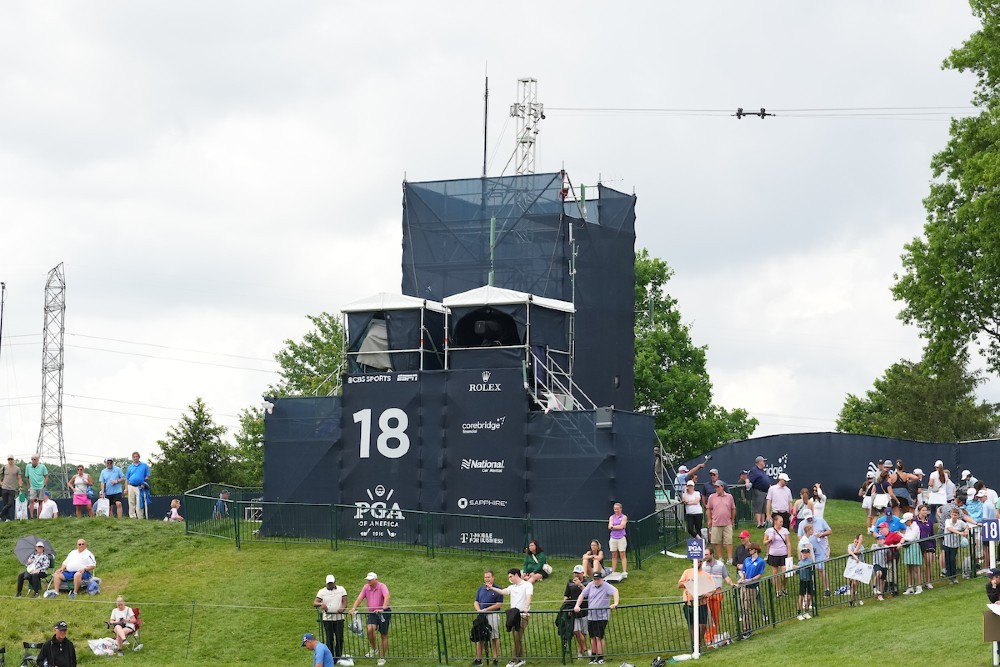
Definition: Golf tournament projects — in the scaffold and access context — encompass scaffold provision for professional and high-profile amateur golf tournaments, including PGA Tour, LPGA, and major championship events, supporting grandstand seating structures at signature holes and the clubhouse, elevated viewing and hospitality tower structures along the course, broadcast camera platforms and commentary booth towers for television production, scoreboard and leaderboard structures providing live scoring information to spectators, and temporary media center and tournament operations facilities. Unlike the compressed hours-to-days build cycle typical of concert production, golf tournament scaffold structures are typically erected over a build period spanning several weeks before the tournament begins, remain in place through the practice rounds and the multi-day tournament itself, and are struck over a similarly extended period afterward — a longer, more methodically sequenced deployment cycle that reflects both the scale of a full tournament's infrastructure and the operational requirement to install structures without disrupting the golf course's ongoing play and maintenance during the build-up period.
Golf tournament scaffold work occurs within a uniquely sensitive operating environment: the structures are erected on and around an actively maintained, frequently still-in-play golf course, requiring scaffold placement, access routes, and material staging that protect the playing surface — greens, fairways, and bunkers in particular — from damage throughout the build and strike periods. Grandstands and viewing structures must be positioned to provide sightlines to specific points of play (greens, tees, and other strategic viewing locations) without obstructing player sightlines or interfering with the course's competition setup, requiring close coordination with the tournament's competition and rules officials in addition to the standard event production and broadcast teams. The scale of major tournament infrastructure — a top-tier PGA Tour event or major championship can involve dozens of grandstand structures, multiple broadcast towers, and extensive hospitality infrastructure across an 18-hole course — represents one of the largest temporary structure deployments in the sports and entertainment events sector.
Golf tournament scaffold demand is concentrated around the relatively small number of annual professional tour stops and major championships at each host course, creating a specialized contractor market of companies with specific experience in golf course-sensitive scaffold practices, grandstand and tower structural engineering for sports viewing applications, and the extended multi-week build-strike calendar distinctive to this event type. Through Scaffold Exchange, you can find scaffold and event structure vendors near you with golf tournament production experience and compare their grandstand engineering capability, course protection practices, and tournament production track record.
How Scaffold Is Delivered for Golf Tournament Projects
Golf tournament scaffold delivery follows an extended, methodically sequenced build-and-strike calendar coordinated closely with the host course's ongoing operations and the tournament's competition requirements.
Site Planning & Course Coordination
Grandstand, tower, and hospitality structure locations are planned in coordination with the tournament's competition committee, course superintendent, and broadcast production team — confirming sightlines to key viewing points, structural placement that does not interfere with player sightlines or course setup, and access routes and material staging areas that protect the course's playing surfaces. This planning typically begins months before the tournament, well ahead of the physical build period.
Extended Build Period
Construction of grandstands, towers, and supporting infrastructure begins several weeks before the tournament, with the build sequenced and scheduled to accommodate the course's continued maintenance operations and, where the course remains open for member or public play during early build phases, to avoid disrupting golfers. Ground protection measures — matting, plating, and protective covering — are used extensively at structure footprints and access routes to prevent damage to turf and course features throughout the multi-week build period.
Tournament Period Operation
Throughout practice rounds and the tournament itself, structures remain in place and in active use — grandstands and hospitality platforms occupied by spectators and guests, broadcast towers operating continuously, and scoreboard structures providing live information. Structural inspection and maintenance continue throughout this period given the structures' occupied, public-facing use across the multi-day tournament.
Strike & Course Restoration
Following the tournament's conclusion, structures are dismantled over an extended strike period, with particular attention to restoring the course's playing surfaces — turf repair, removal of all ground protection materials and footings, and reinstatement of any course features affected by the structure footprints — to the standard required for the course to return to normal play or to prepare for the next year's tournament setup.
Key Scaffold Considerations for Golf Tournament Projects
Golf tournament scaffold work brings a distinct combination of course protection, sightline engineering, and extended methodical build-strike scheduling that distinguishes it from both construction and the rapid-cycle concert events sector.
Golf Course Surface Protection
Grandstand and tower footprints, material staging areas, and access routes across the golf course require extensive ground protection — matting, plating, and turf covering — to prevent damage to greens, fairways, and bunkers throughout the multi-week build and strike periods. Course protection planning and execution is one of the most consequential practical considerations in golf tournament scaffold work, given the cost and reputational significance of course damage.
Grandstand & Tower Sightline Engineering
Grandstand seating and viewing tower structures must be engineered and positioned for specific sightlines to greens, tees, and other strategic viewing points, balanced against requirements not to obstruct player sightlines or interfere with the course's competition setup — requiring close coordination between the scaffold and structure design team and the tournament's competition officials beyond the standard production and broadcast planning.
Extended Multi-Week Build-Strike Calendar
Golf tournament infrastructure is built over several weeks before the event and struck over a similarly extended period afterward — a methodically sequenced calendar distinct from the hours-to-days rapid build-strike cycle typical of concert production, reflecting the larger scale of full tournament infrastructure and the need to coordinate construction with the course's ongoing operations.
Broadcast Tower & Production Infrastructure
Camera platforms, commentary booth towers, and broadcast production facilities require scaffold structures engineered for the specific equipment loads, sightline requirements, and operational stability that live television production demands — coordinated closely with the broadcast production team's technical requirements at each camera and commentary position around the course.
Corporate Hospitality & VIP Platform Structures
Major golf tournaments generate significant revenue from corporate hospitality suites and VIP viewing platforms positioned at premium viewing locations around the course, requiring scaffold structures finished to a hospitality standard — including weatherproofing, finished decking, and structural capacity for furniture, catering equipment, and occupant loads beyond a standard viewing grandstand.
Annual Tournament Recurrence
Host courses for recurring annual tour stops and major championships frequently work with the same scaffold and structure vendors year over year, building institutional knowledge of the specific course's site constraints, established structure footprints, and course protection practices that benefit from continuity rather than starting the planning process from scratch with a new vendor each year.
Common Golf Tournament Project Scenarios Using Scaffold
Scaffold and temporary structures support golf tournament production across the major infrastructure categories that professional and high-profile amateur events require.
Signature hole grandstands — large-capacity spectator seating at marquee holes such as par-3s and finishing holes with high spectator demand
Clubhouse and 18th green grandstands — primary spectator viewing structures at the tournament's central scoring and presentation area
Broadcast camera towers and commentary booths — elevated production structures positioned at key holes for live television coverage
Corporate hospitality and VIP suite structures — premium viewing platforms with catering and entertaining facilities for sponsors and guests
Scoreboard and leaderboard structures — elevated structures supporting live scoring display systems at key course locations
Media center and tournament operations facilities — temporary structures supporting press operations and tournament administration
Merchandise and concession structure support — temporary retail and concession infrastructure at high-traffic spectator areas
Player and caddie facility structures — practice range viewing and player support facilities adjacent to the competition course
Golf Tournaments vs. Other Project Categories on Scaffold Exchange
Golf tournament scaffold work shares the temporary events sector with concert production but follows a distinctly different scale and scheduling model — here is how it compares to the related categories.
Tournament infrastructure & spectator structures
- Extended multi-week build and strike calendar, not the hours-to-days concert cycle
- Golf course surface protection is a defining practical and reputational concern
- Sightline engineering coordinated with tournament competition officials
- Annual recurrence at host courses builds vendor continuity and institutional knowledge
Live event production scaffold & staging
- Shares the temporary, public-facing events sector with golf tournaments
- Concert build-strike cycle is measured in hours to days rather than weeks
- See the Concerts industry page for the rapid-cycle events delivery model
Site grounds protection & restoration
- Golf course turf and surface protection shares principles with general grounds protection
- Course protection at golf tournaments requires sport-specific surface sensitivity beyond standard landscaping
- See the Grounds Maintenance service page for the general site protection and restoration practices
Business-occupied real estate
- Permanent clubhouse and golf facility construction or renovation shares scope with commercial projects
- The temporary tournament infrastructure this page covers differs from the host course's permanent structures
- See the Commercial Projects industry page for permanent golf facility construction and renovation
Find Golf Tournament Scaffold Vendors Near You
Use the Scaffold Exchange map to search by location, filter by project type, and connect directly with local scaffold and event structure vendors who have golf tournament production experience, course protection practices, and grandstand engineering capability.
Compliance & Site Safety Considerations
Scaffold and temporary structures for golf tournament production are subject to OSHA 29 CFR 1926 Subpart L for the workers who erect, use, and strike the structures, alongside grandstand- and public-occupancy-specific structural and safety standards that apply because these structures host large numbers of spectators rather than serving solely as a construction work platform. ICC (International Code Council) standards for temporary structures, and in particular the IBC (International Building Code) provisions and the ICC 300 Standard for Bleachers, Folding and Telescopic Seating, and Grandstands, govern the structural design, occupant load capacity, guardrail and handrail requirements, and egress provisions for grandstand seating structures used at golf tournaments and similar spectator events. Local building and fire department permit review is typically required for grandstand and significant temporary structures based on occupant capacity, with the specific jurisdiction's requirements and review timeline varying by location and needing to be incorporated into the tournament's planning calendar well in advance. Crowd egress and emergency evacuation planning for grandstand and elevated viewing structures must address the specific occupant capacity and the structure's access and egress provisions, coordinated with the tournament's overall site safety and emergency response plan. Structural engineering certification is commonly required for grandstand seating, broadcast towers, and other significant temporary structures, with the engineer's stamped drawings retained as part of the tournament's permit and safety documentation.
- OSHA 1926 Subpart L scaffold requirements maintained for workers erecting, using, and striking tournament scaffold and grandstand structures
- Grandstand structural design confirmed per ICC 300 (Standard for Bleachers, Folding and Telescopic Seating, and Grandstands) and applicable local building code provisions
- Occupant load capacity confirmed for all grandstand and elevated viewing structures with appropriate guardrail and handrail provisions
- Local building and fire department permit review and structural sign-off obtained for grandstand and significant temporary structures before occupancy
- Emergency egress and evacuation provisions confirmed adequate for the structure's occupant capacity and coordinated with the tournament's site safety plan
- Course surface protection measures — matting, plating, turf covering — confirmed in place at all structure footprints and access routes before build begins
- Structural engineering certification obtained and retained for grandstand, broadcast tower, and significant temporary structures
- Course restoration completed and confirmed against the pre-build condition survey before the tournament site is handed back to normal course operations
& ICC 300
Scaffold Safety & Grandstand Structural Standards
OSHA Interpretations & Rulings →